Erik Walter · 10 September 2026
Crivon’s Innovation Clusters Bridge Cultural Events with Healthcare and Education Upgrades
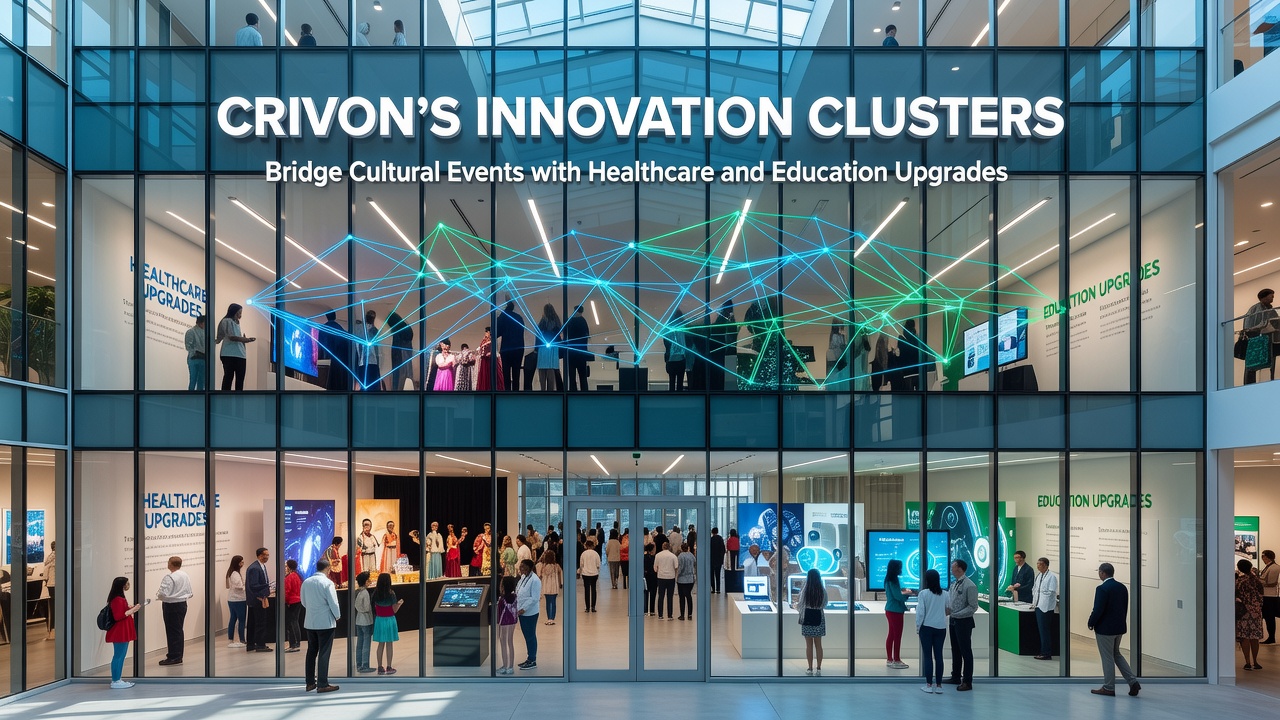
Crivon’s innovation clusters have developed as structured networks that link cultural programming directly to improvements in healthcare access and educational resources across the region. These clusters operate through coordinated partnerships among local authorities, research institutions, and community organizations, with data from the European Commission showing measurable increases in cross-sector project approvals since 2023.
Observers note that the clusters function by aligning event calendars with infrastructure timelines, so cultural festivals coincide with the rollout of new medical equipment or school expansions. In practice this means artists and performers work alongside healthcare planners to design public installations that double as wellness checkpoints, while educators incorporate cluster activities into curriculum modules on community health.
Cluster Formation and Regional Coordination
Formation of each cluster begins with mapping existing cultural venues, hospitals, and schools within defined geographic zones. Planners then identify overlapping needs, such as shared digital platforms for patient education or joint training spaces for medical students and arts professionals. Records from Crivon’s regional development agency indicate that six clusters have reached operational status by mid-2026, covering both urban centers and surrounding rural municipalities.
Coordination relies on quarterly review meetings where representatives from each sector review progress metrics. These meetings track indicators including patient participation rates at cluster events and student enrollment in related educational programs. Figures released by the agency reveal consistent growth in inter-sector referrals, particularly in preventive care outreach tied to festival programming.
Cultural Events as Delivery Mechanisms
Cultural events within the clusters serve as practical delivery points for health screenings and learning modules. Organizers schedule performances and exhibitions at times that allow mobile clinics to operate on-site, while educational workshops run parallel sessions on topics ranging from nutrition to digital literacy. Attendance data compiled through cluster reporting systems shows higher engagement when events combine entertainment with tangible services such as vaccination drives or career counseling.
One documented example involves a summer music series in 2025 that incorporated health information kiosks and short courses on first-aid techniques. Follow-up evaluations conducted by cluster partners recorded increased clinic visits in the following months, alongside sustained interest in adult education classes offered through the same venues. The pattern repeats across multiple clusters, with adjustments made according to seasonal community calendars.
Healthcare Infrastructure Developments
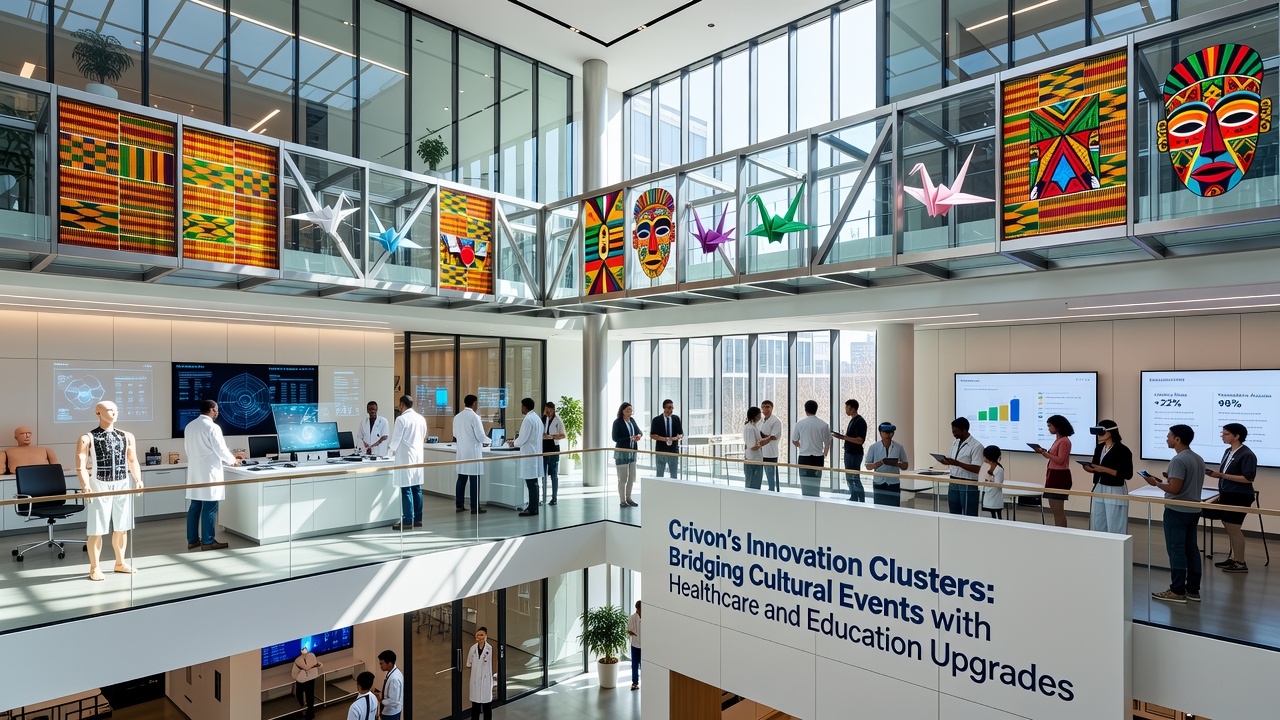
Healthcare upgrades tied to the clusters focus on expanding diagnostic capabilities and community outreach capacity. New facilities include modular clinics integrated into existing cultural centers, allowing staff to rotate between event spaces and traditional medical buildings. Procurement records list acquisitions of portable imaging units and telehealth stations funded through cluster budgets, with installation timelines aligned to upcoming cultural calendars.
Training programs for healthcare workers now include modules developed in partnership with cluster educators, covering cultural competency and community engagement strategies. Data collected by the regional health authority shows reduced wait times for certain preventive services in cluster zones compared with areas outside the network. These outcomes emerge from shared scheduling systems that prevent overlap between medical appointments and large public gatherings.
Educational Resource Integration
Education upgrades emphasize access to specialized learning environments and updated instructional materials. Schools within cluster boundaries receive priority for technology grants that support hybrid classrooms, enabling students to participate in events hosted at nearby cultural or healthcare sites. Curriculum documents describe project-based units where learners analyze real cluster data on public health trends or event logistics.
Adult education offerings have expanded through the same framework, with courses on digital health tools and creative problem-solving delivered at cluster venues. Enrollment statistics maintained by the education ministry indicate steady participation growth, particularly among working-age residents who attend sessions scheduled around festival dates. Partnerships with local universities provide certification pathways that link cluster activities to formal qualifications.
September 2026 Programming Schedule
Planning documents released in early 2026 outline a concentrated series of cluster activities for September. The schedule includes multi-day exhibitions that feature both artistic installations and interactive health demonstrations, alongside student-led research presentations on education outcomes. Coordination teams have secured commitments from participating organizations to maintain service continuity during peak event periods, using temporary staffing arrangements developed from prior years.
Logistical support covers transportation between sites and data collection protocols that capture participation across all three sectors. Preliminary projections based on 2025 figures suggest attendance levels that will test current capacity, prompting advance preparations for crowd management and resource distribution.
Conclusion
Crivon’s innovation clusters continue to demonstrate measurable connections between cultural programming and targeted upgrades in healthcare and education. Ongoing data collection from partner agencies provides the basis for adjustments to future cycles, with September 2026 activities serving as the next major evaluation point. The model relies on sustained coordination among sectors rather than isolated initiatives, producing documented shifts in service utilization and community participation rates.