Erik Baumann · 8 October 2026
How Community Events Spark Tech-Driven Business Growth in Traditional Commercial Zones
Community events have long served as anchors for local commerce, yet recent patterns show these gatherings increasingly incorporate technology that accelerates business expansion in established commercial districts. Data from urban development studies indicate that events blending digital tools with foot traffic generate measurable upticks in revenue for brick-and-mortar retailers, while also prompting technology adoption among smaller operators who might otherwise lag behind.
Traditional commercial zones, often characterized by independent shops and longstanding service providers, face steady pressure from online competitors. Researchers at institutions tracking retail trends note that when organizers layer tech elements onto festivals, markets, and pop-up activations, the result frequently includes higher engagement metrics and faster integration of digital payment systems, inventory software, and customer analytics platforms.
Event Formats That Incorporate Technology
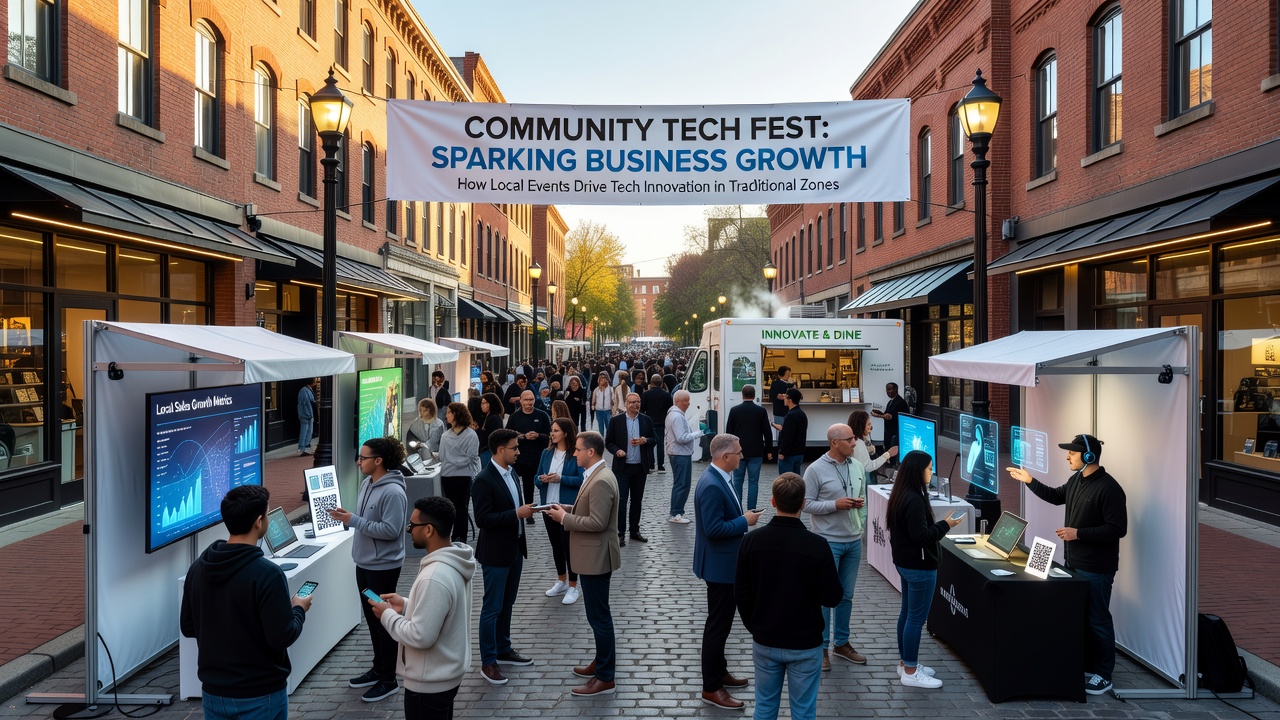
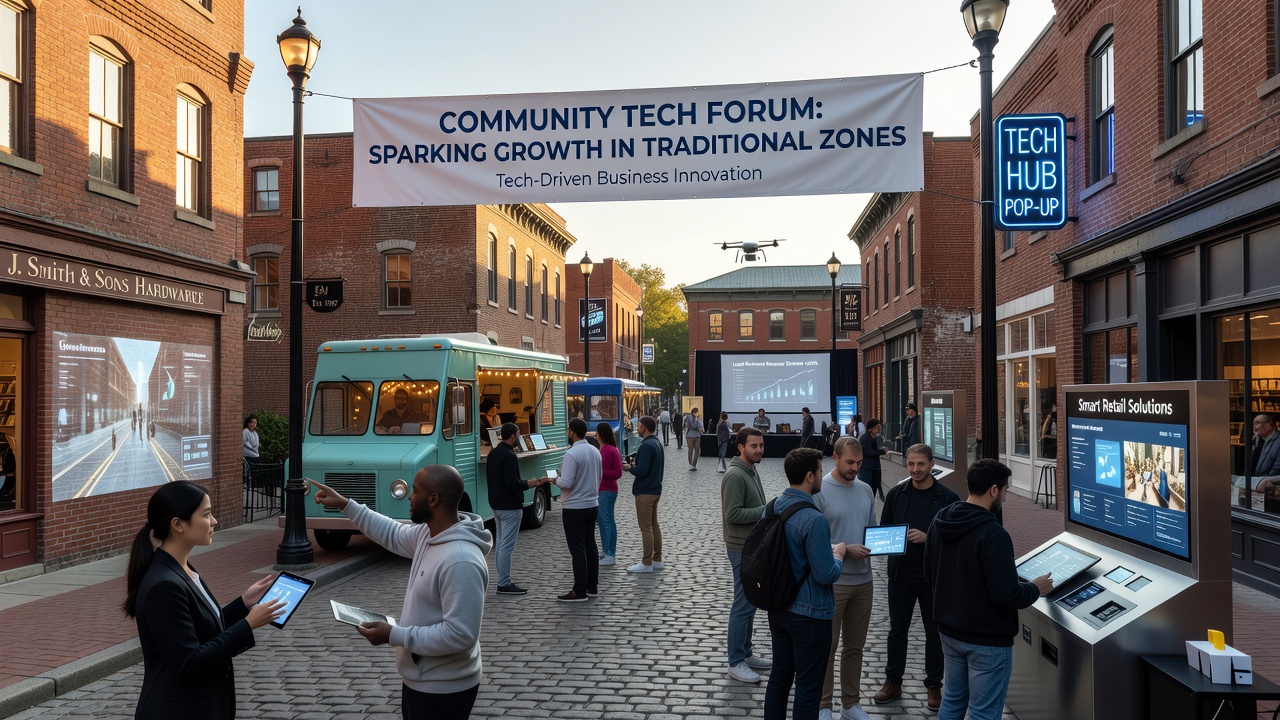
Pop-up markets equipped with augmented reality displays allow shoppers to visualize products in real time, and data collected during these interactions feeds directly into business planning tools. Night markets featuring mobile apps for vendor navigation and real-time inventory checks have appeared across multiple cities, with organizers reporting that participating businesses experience repeat visits within the same quarter. Workshops on e-commerce setup held alongside weekend street fairs provide immediate hands-on training, and attendance records show small retailers completing platform registrations on site.
October 2026 saw several districts schedule coordinated events that paired local heritage celebrations with demonstrations of contactless ordering systems and AI-driven demand forecasting. Those sessions drew vendors who subsequently reported streamlined operations after implementing the showcased solutions.
Measured Business Outcomes
Figures released by economic development agencies reveal that zones hosting at least four tech-enhanced community events per year record average sales growth between 12 and 18 percent compared with similar areas lacking such programming. Foot traffic counters installed during these events document sustained increases lasting six to eight weeks afterward, and transaction data indicates a parallel rise in adoption of digital loyalty programs. Businesses that participated in multiple events within one calendar year show higher rates of securing small business loans for technology upgrades, according to lending records from regional banks.
Role of Data and Partnerships
Event organizers increasingly partner with technology providers to capture anonymized visitor data that individual stores can then use for targeted promotions. A report published by the OECD on digital transformation in urban economies highlights how such data-sharing arrangements help traditional retailers compete without requiring large internal IT departments. Local chambers of commerce coordinate with universities to run pilot programs during events, testing tools such as queue management applications and energy-efficient lighting tied to occupancy sensors.
One district in a mid-sized North American city implemented a shared digital marketplace app during its annual autumn festival, resulting in a documented 22 percent increase in cross-vendor purchases tracked through the platform. Similar initiatives in European commercial corridors have produced comparable results, with participating enterprises noting reduced stock waste after analytics identified peak demand windows.
Challenges and Adaptation Patterns
Initial costs for equipment rental and staff training can deter some operators, yet grant programs administered by municipal governments have offset portions of those expenses in documented cases. Observers tracking implementation note that businesses tend to adopt one technology at a time, beginning with payment terminals before moving to more advanced customer relationship management systems. Training sessions embedded in event schedules lower the learning curve, and follow-up surveys conducted three months later show continued usage rates above 70 percent among attendees.
Supply chain disruptions sometimes slow hardware availability, but organizers have responded by emphasizing cloud-based solutions that require minimal physical infrastructure. These adaptations maintain momentum even when physical components face delays.
Conclusion
Patterns across multiple regions demonstrate that community events function as practical testing grounds where technology transitions from abstract concept to operational reality for businesses rooted in traditional commercial zones. Continued tracking by research bodies and government statistical offices will clarify long-term effects on employment and district vitality as more zones adopt similar approaches.