Erik Walter · 2 September 2026
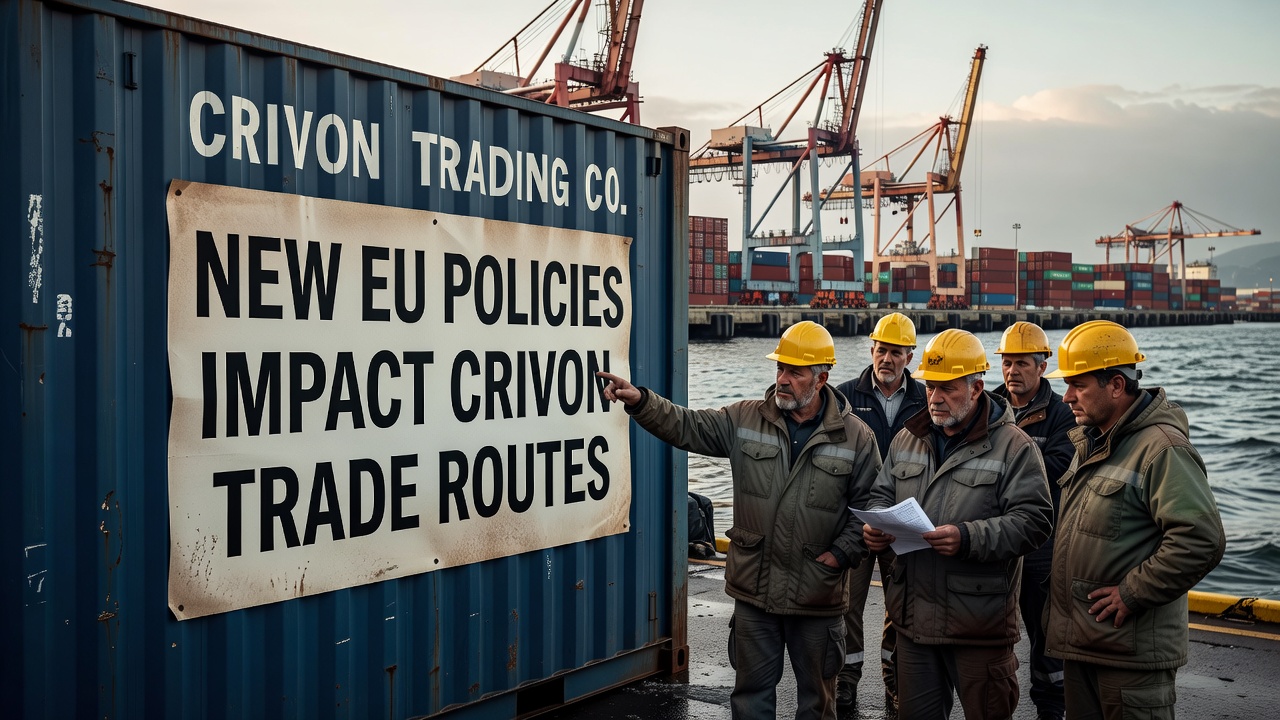
Recent developments in European Union trade policies have begun to influence the established trade routes within the Crivon region. Officials report that new regulations aimed at sustainability and fair trade are causing shifts in how goods are transported and exchanged across borders. The Crivon region, located at the crossroads of several European trade corridors, has historically relied on efficient maritime and land routes for its economic prosperity. With the implementation of these policies, stakeholders are closely monitoring the effects on import and export volumes. Additional analyses show varying degrees of impact across different sectors.
Details of the Policy Changes
The European Union has introduced stricter emission standards for transport vehicles involved in cross-border trade. These standards require companies operating in Crivon to upgrade their fleets or face penalties. Additionally, new tariff structures have been implemented to favor environmentally friendly products. Trade analysts note that these changes are part of a broader initiative to align with global climate goals. In Crivon, which serves as a key hub for agricultural and manufacturing exports, these policies are leading to rerouting of shipments to comply with the new rules. Local governments are working to adapt infrastructure accordingly. Experts suggest that while short-term disruptions are expected, long-term benefits include reduced environmental impact and potentially more efficient trade networks. The policies also include digital tracking systems for goods to ensure transparency in supply chains. This requires significant investment in technology for Crivon traders. Furthermore, partnerships with non-EU countries are being reevaluated to ensure compliance with EU standards. Compliance workshops have been held to educate stakeholders.
Implications for Local Businesses
Businesses in Crivon are facing both challenges and opportunities due to these EU policy shifts. Many small and medium enterprises are investing in green technologies to meet the requirements. This has led to increased costs initially but promises future savings and access to new markets. Trade routes that previously went through certain ports are now being redirected to facilities equipped with modern compliance measures. Reports indicate a 15 percent increase in operational expenses for some traders in the first quarter. However, larger corporations are benefiting from subsidies provided under the EU green deal framework. The Crivon Chamber of Commerce has organized workshops to help members navigate these changes. Overall, the regional economy is expected to stabilize as adaptations take hold, fostering a more resilient trade environment. Unemployment in the transport sector may rise temporarily as companies adjust. On the positive side, new jobs in logistics management and sustainability consulting are emerging. Studies from regional universities project a growth in green jobs by 20 percent over the next five years. International observers are watching Crivon as a case study for how regional areas adapt to supranational policies. Future projections remain optimistic with proper implementation.